

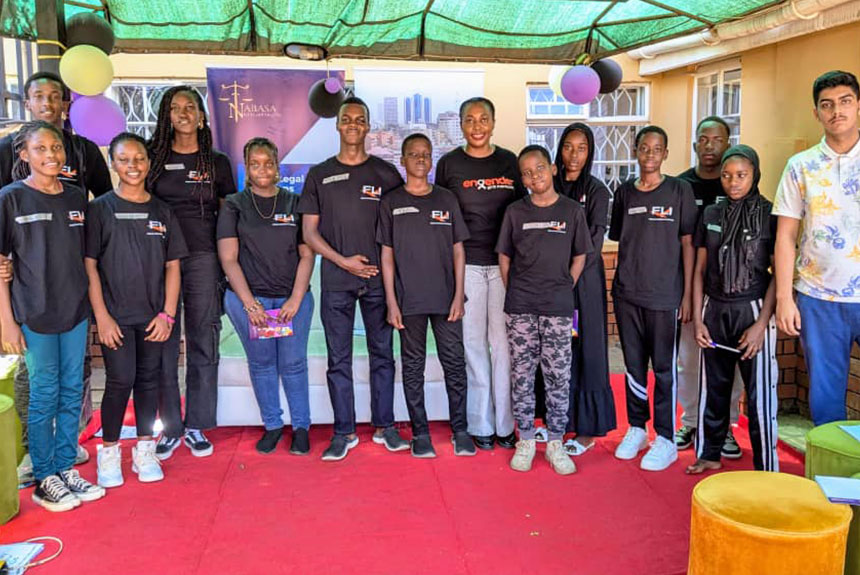
In Uganda, a nation rich in culture and youthful energy, the significance of empowering young voices cannot be overstated. Early leadership development is not just an investment in the future but a crucial step toward creating a generation of confident, responsible, and innovative leaders. The first line of the Hope School Anthem is “We are the pillar of tomorrow’s Uganda”. It is meant to inspire the young generation to strive and work towards a Uganda where they will be the future leaders. The reality of this however has not been realized; there hasn’t been effective leadership programs to nurture the young people into leaders.
The biggest portion of our challenges as a country can be attributed to our leaders; past and present. To make headway in ensuring a better Uganda we need to recognize the importance of leadership in children and start up programs to empower our young generation to become effective leaders. Leadership is not solely a trait of adults; it is a quality that can and should be cultivated in children from an early age. Understanding how leadership emerges in children, its significance in their growth, and its long-term effects is crucial for parents, education institutions, and society at large. This article explores the characteristics of leadership in children, the importance of fostering these skills, and the positive outcomes of nurturing young leaders.
Why is Youth Leadership Development Important?
Leadership development from an early age equips young people with the skills and confidence to navigate life’s challenges and seize opportunities. In Uganda, where over 70% of the population are youths, nurturing young leaders is pivotal to national progress. Early exposure to leadership roles fosters critical thinking,problem-solving abilities, and a sense of responsibility. For example, the “Young Leaders Club” at St. Mary’s College Kisubi has produced notable alumni who have gone on to become influential figures in various sectors.
Leadership qualities often manifest in children through various behaviors and experiences. Some children display inherent traits such as confidence, initiative, and effective communication, which are foundational for leadership. A case in point is Greta Thunberg who at just 15 initiated a global movement for climate action, showcasing how children can lead important societal conversations and mobilize others for a cause.
The environment in which children grow up plays a significant role in shaping a child’s leadership abilities. Supportive family dynamics, positive role models, and enriching educational settings can foster leadership skills. For instance, children who participate in team sports often learn about cooperation and responsibility which are essential components of leadership.
The Benefits of Early Leadership Development
Fostering leadership skills in children is essential to society as it builds confidence in children. Engaging in leadership activities helps children develop self-esteem and a sense of urgency. As they take on responsibilities and face challenges, they learn to trust their abilities and judgments. This becomes very crucial in future as it enhances leaders’ decision making when faced with a major dilemma. It also enhances children’s interpersonal skills as it always involves working with others in groups. They learn to communicate effectively, resolve conflicts, and collaborate, all of which are vital for personal and professional success. Good leaders are empathetic and inclusive; by nurturing these qualities in children, we prepare them to understand and respect diverse perspectives, fostering a more inclusive society.
The impact of early leadership development extends well beyond childhood. Children who cultivate leadership skills are likely to experience several long-term benefits. Research indicates that individuals with strong leadership skills tend to excel in their careers. They are often more effective in team settings and are better equipped to take on leadership roles in the workplace. Young leaders are more likely to become active and engaged citizens. They understand the importance of contributing to their communities and are often involved in volunteer work and civic activities. Children who develop leadership skills often exhibit greater resilience when faced with challenges. They learn to navigate setbacks and maintain a positive attitude, traits that are essential for overcoming life’s obstacles.
Identifying Leadership Potential
This involves observing specific characteristics during a child’s growth. Children who show concern for others’ feelings and perspectives are often on the path to becoming effective leaders.
• Empathy is an essential quality in a leader as it makes him or her selflessness and one who always looks out for the benefit of those led.
• Effective Communication: The ability to express thoughts clearly and listen actively is crucial for leadership. Children who demonstrate these skills can inspire and motivate their peers.
• Responsibility: Taking ownership of their actions and understanding the consequences is a hallmark of leadership. Responsible children are more likely to be trusted with leadership roles.
• Teamwork: Good leaders value collaboration and work well with others, promoting a sense of unity and cooperation. A child who easily works and corroborates with others on projects is a prospect for a great future leader.
The Role of Mentorship
Mentorship is vital to early leadership development. Effective mentorship involves guidance, goal-setting, and support from experienced leaders who understand the unique challenges young people face. Mentors inspire confidence, provide constructive feedback, and serve as role models, enabling young leaders to envision and work towards their potential.
Who Should Take the Lead?
The responsibility of nurturing young leaders lies with multiple stakeholders:
• Parents and Families: Parents play a foundational role in teaching values and encouraging children to take on responsibilities.
• Schools and Educational Institutions: Schools can provide leadership opportunities through clubs, sports, and student government roles.
• Government and Policymakers: By supporting youth-focused initiatives and creating policies that allocate resources to leadership programs, policymakers can directly impact the future of Ugandan leadership.
Success Stories and Case Studies
Programs like the Young Leaders Club and initiatives run by Fidelis Leadership Institute demonstrate how structured guidance can shape influential leaders. Alumni from these programs have excelled across various sectors, from community development to entrepreneurship, showcasing the long-term benefits of leadership development.
Conclusion and Call to Action
Investing in early leadership development is an investment in Uganda’s future. Policymakers, educators, and families all play crucial roles in creating a supportive environment for young leaders. Together, we can foster a generation equipped to address Uganda’s challenges with empathy, resilience, and innovation. By committing to youth leadership, we pave the way for transformative societal change, building a brighter future for Uganda.
Authored by
Muganga Mark
muganga@nabasalaw.com
Administrator
Leave a Reply